India, the land of ancient wisdom and spiritual awakening, is home to the Buddhist circuit, a sacred trail that traces the life and teachings of Lord Buddha. This circuit includes revered sites like Bodh Gaya, Sarnath, Kushinagar, Rajgir, Nalanda, and Vaishali, each echoing the footsteps of the Enlightened One. For pilgrims and seekers from Southeast Asian countries such as Vietnam, Thailand, Myanmar, Cambodia, Laos, and Sri Lanka, these destinations are not just historical landmarks, they are spiritual sanctuaries where one can experience the essence of Buddhist history and practice deep meditation in a serene environment.
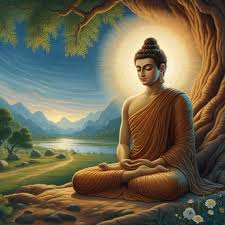
At the heart of this circuit lies Bodh Gaya, the most sacred site in Buddhism. It was here, under the Bodhi Tree, that Prince Siddhartha Gautama meditated and attained enlightenment, becoming the Buddha, the Awakened One. This moment, described in both Buddhist scriptures and acknowledged in Hindu texts like the Bhagavata Purana, marks the triumph of wisdom over ignorance. The Mahabodhi Temple, a UNESCO World Heritage Site, stands as a timeless witness to this divine transformation. Pilgrims from across the world gather here to chant, meditate, and walk around the Vajrasana, the diamond throne where Buddha sat in silence and discovered the Four Noble Truths and the Eightfold Path.

The merits of visiting Buddhist pilgrimage sites in India are profound. According to Buddhist tradition, visiting these sacred places purifies karma, deepens spiritual insight, and brings one closer to nirvana, the ultimate liberation. Hindu scriptures also honor Buddha as an incarnation of Lord Vishnu, sent to guide humanity toward compassion and non-violence. The Dashavatara Stotra by Jayadeva Goswami praises Buddha for his merciful nature and his role in ending animal sacrifice, aligning his mission with the dharmic values of Sanatana Dharma.
Beyond Bodh Gaya, the circuit leads to Sarnath, where Buddha gave his first sermon, setting the Wheel of Dharma in motion. The Dhamek Stupa and Ashoka Pillar here symbolize the spread of Buddhist teachings. Kushinagar, where Buddha attained Mahaparinirvana, offers a tranquil space for reflection on the impermanence of life. Rajgir and Nalanda, once vibrant centers of Buddhist learning, still resonate with the chants of monks and the legacy of ancient universities. These places invite visitors to immerse themselves in the teachings of Dharma, practice mindfulness, and experience the peace that comes from inner silence.
The Buddhist circuit in India is increasingly attracting tourists from Southeast Asia, many of whom come seeking spiritual renewal. Monasteries built by Thailand, Japan, Myanmar, and Bhutan dot the landscape of Bodh Gaya, creating a vibrant tapestry of global Buddhist culture. These pilgrims engage in deep meditation, participate in rituals, and connect with the roots of their faith. The Indian government, through initiatives like the Buddhist Circuit Train, has made these journeys more accessible, offering guided tours and comfortable travel options for international visitors.

What makes this circuit truly unique is its blend of spiritual depth, natural beauty, and cultural harmony. The serene environment of these sites lush gardens, ancient stupas, and peaceful monasteries creates the perfect setting for introspection and transformation. Whether one is a devout Buddhist, a curious traveler, or a seeker of truth, the pilgrimage through the Buddhist circuit in India offers a chance to walk the path of the Buddha, to understand the nature of suffering, and to awaken the light of wisdom within.
Register with us to help you plan your itenerary for authentic transformative experience Sahaj Dharshan https://sahajdarshan.com/auth/signup