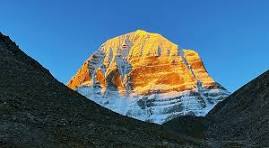
If you are planning the Kailash Manasarovar Yatra, this guide gives you everything you need: route options (via Nepal/Kathmandu), Tibet visa process for Indians, Kailash Parikrama trek details, Dolma La altitude precautions, best time to visit, Lake Manasarovar rituals, dress code, and safety at high altitude.
This is a high-altitude spiritual pilgrimage, and without correct planning, many devotees struggle with breathing, acclimatization, and logistics.
This guide is written for Indian pilgrims, NRIs, spiritual seekers, foreign travelers, and professionals who want a safe, meaningful, and well‑planned Kailash journey.
What This Article Covers (Overview)
- What is Kailash Manasarovar Yatra?
- Why Mount Kailash is sacred across Hindu, Buddhist, Jain, Bon traditions
- Route overview: Kathmandu to Tibet to Saga to Darchen to Parikrama
- Best time to visit Kailash
- Trek details: 3‑day Kailash Parikrama & Dolma La Pass altitude
- Lake Manasarovar rituals, bathing guidance, and Rudra‑Vishek
- Packing, dress, oxygen, fitness, altitude sickness tips
- Tibet visa requirements for Indians
- Yatra duration & planning
What is Kailash Manasarovar Yatra?
Mount Kailash (Height: ~18,500 ft)
Mount Kailash is a sacred Himalayan peak located in the Tibetan Plateau. It is revered by four traditions:
- Hinduism – Abode of Lord Shiva and Devi Parvati
- Buddhism – Home of Demchok
- Jainism – Ashtapad, where the first Tirthankara attained liberation
- Bon – Spiritual center of the Bon tradition
No one is allowed to climb Kailash, it is respected as a sacred, untouched peak.
Lake Manasarovar
A high‑altitude freshwater lake located near Kailash, considered the purest lake in Hindu tradition. Devotees perform:
- Snan (holy bath)
- Parikrama around the lake perimeter
- Rudra Vishek using its sacred water
Why this Yatra matters spiritually
Kailash Manasarovar symbolizes:
- Liberation (moksha)
- Cleansing of karmic impurities
- Inner stillness and higher spiritual awakening
It is not a sightseeing journey, it is a sadhana (spiritual discipline).
Route Overview: How Pilgrims Reach Kailash
The most practical modern route is:
Kailash Yatra from Nepal/Kathmandu
- Kathmandu
- Rasuwagadhi Border (Nepal–Tibet)
- Kerung (Tibet)
- Saga
- Lake Mansarovar
- Darchen (base for Parikrama)
- Kailash Parikrama Trek (50 km)
- Return to Saga then to Kerung and Kathmandu
This route is most popular because Kathmandu has:
- Easy flight access
- Good pre‑acclimatization altitude
- Infrastructure to support large pilgrim groups
Best Time to Visit Kailash Manasarovar
Kailash sits in the Tibetan Plateau, one of the coldest high-altitude regions in the world.
Ideal Season (May–September)
- May–June → stable weather, clearer skies
- July–August → warmer but rainy
- September → best for Parikrama clarity
Not recommended
- October–April → extremely cold, closed routes, unsafe oxygen levels
Kailash Parikrama Trek (50 km total)
The Parikrama (Kora) is usually done in 3 days:
Day 1: Darchen → Dirapuk (12 km)
Moderate but high altitude. You get the closest view of Kailash North Face.
Day 2: Dirapuk → Dolma La Pass → Zutulpuk (22 km)
This is the toughest and highest altitude day.
- Dolma La Pass altitude: ~18,300 ft
Breathing becomes challenging; many pilgrims face altitude sickness on this day.
Day 3: Zutulpuk → Darchen (16 km)
Gentle descent; easier than Day 2.
Altitude, Acclimatization & Safety
Altitude Sickness Risk
Kailash region is high-altitude (~15,000 ft average). Dolma La is the highest point (~18,300 ft).
Common symptoms:
- Breathlessness
- Headache
- Dizziness
- Nausea
- Loss of appetite
How to Reduce Altitude Risk
- Acclimatize 2–3 days in Nepal or Kerung
- Walk slowly, avoid sudden movements
- Keep body hydrated
- High‑carb, light diet
- Avoid overexertion
- Carry doctor‑recommended AMS medicines
- Use oxygen support if needed
Rituals & Spiritual Highlights
Lake Manasarovar Bathing (Snan)
Pilgrims take a symbolic dip or pour water on the head only if the weather permits.
Water temperatures are extremely low, and hypothermia risk is real.
Perform with safety first, not compulsion.
Rudra Vishek in Tibet
A sacred Shiva puja performed by offering Manasarovar water, Bilva leaves, and mantras.
Many group tours arrange a traditional Shiva Abhishek at the lake bank.
Kailash Darshan Points
- North Face (Dirapuk)
- South Face (near Yamadwar region en route to Darchen)
Dress Code & Packing
Clothing
- Thermal layers
- Windproof jacket
- Waterproof pants
- Woolen cap, gloves
- High‑ankle trekking shoes
- Sunglasses (snow glare)
Must Carry
- Buffer medicines
- Energy snacks
- Water flask
- Sunscreen
- Walking sticks
- Oxygen cans (backup)
Tibet Visa & Permits for Indians
Indian citizens cannot travel independently in Tibet they must travel through:
- Authorized Yatra organizers
- Chinese/Tibetan government‑approved groups
Permits include:
- Group Visa (Tibet Visa)
- Alien Travel Permit
- Restricted Area Permit
- Mount Kailash Special Permit
These permits are always handled by authorized operators.
Duration Options
Standard Yatra: 12–14 days
Comfort/Premium Yatra: 16–18 days
Helicopter Yatra: 8–12 days (Kathmandu to Hilsa route)
Do’s & Don’ts for Kailash Yatra
Do
- Follow group leader instructions
- Respect Tibetan culture
- Acclimatize properly
- Drink warm water frequently
- Pack only essentials
- Keep calm during Dolma La ascent
Don’t
- Don’t run or rush at altitude
- Don’t bathe at Lake Manasarovar if unwell
- Don’t break away from your group
- Don’t underestimate the cold or oxygen drop
Checklist for Planning
- Choose your route: Nepal/Kathmandu → Tibet (recommended)
- Select the month: May–Sept
- Begin fitness prep 4–6 weeks before
- Keep buffer days at altitude
- Carry medical fit certificate
- Mentally prepare for simple living, cold weather, and spiritual discipline
The Kailash Manasarovar Yatra is not just a physical trek, it is a disciplined parikrama of faith, humility, and surrender. With the right planning, safety awareness, and reverence, this journey becomes one of the most transformative spiritual experiences in a lifetime.