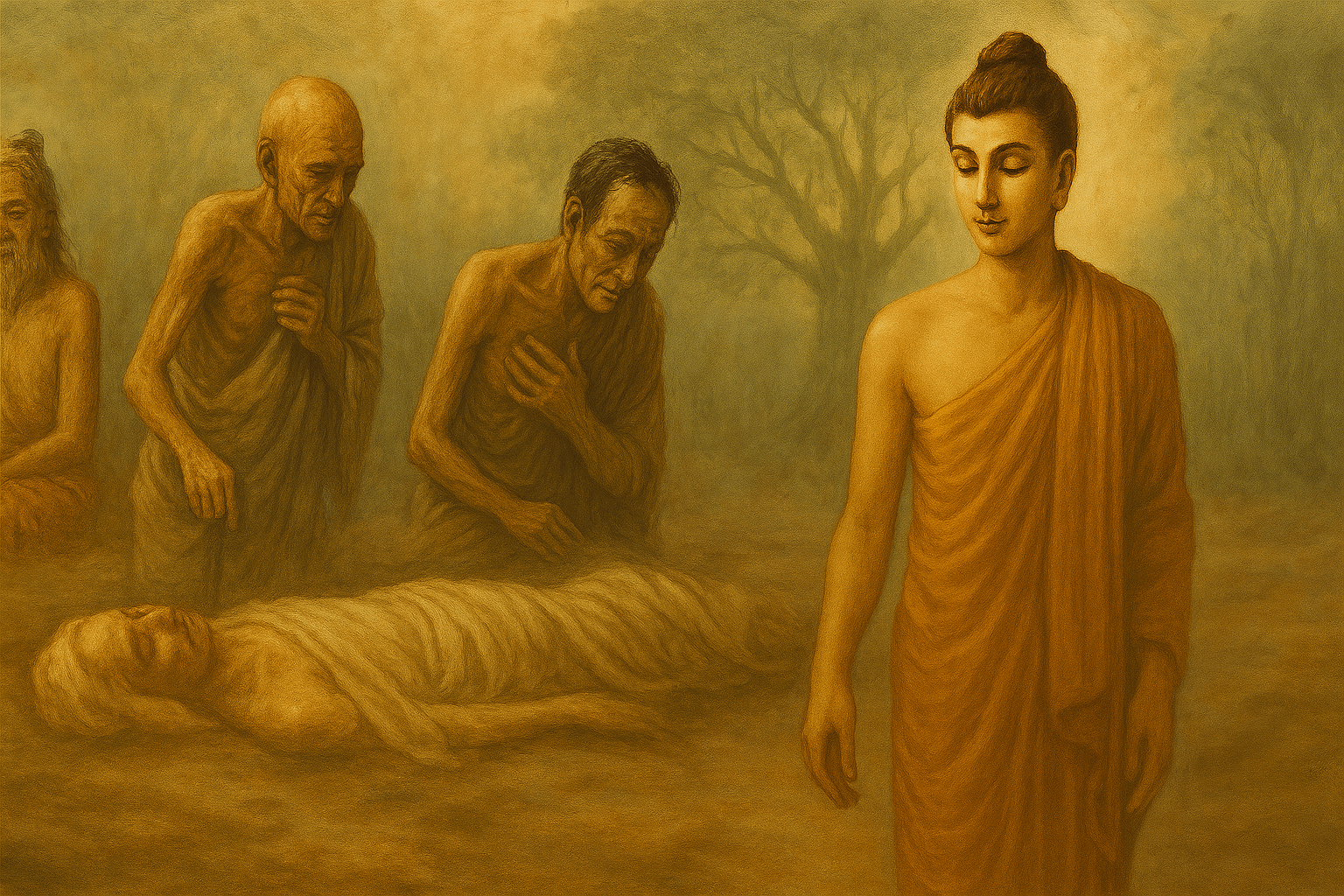
More than 2,500 years ago, Siddhartha Gautama born into privilege in the Śākya clan near the Himalayan foothills left behind royal comforts to answer a question that confronts every human: Why do we suffer, and can it end? Traditional accounts say his father sheltered him from life’s hardships, but a fateful excursion exposed him to the
Four Sights: an elderly person, a sick person, a corpse, and a calm wandering ascetic. Those encounters ignited his “noble search,” the quest to understand suffering and liberation.
At age 29, Siddhartha renounced palace life to live among ascetics, initially embracing extreme self-denial. After years of austerities, he concluded that neither indulgence nor self-mortification led to genuine freedom. This insight became the Middle Way, a balanced path culminating in the Noble Eightfold Path, first taught in the Dhammacakkappavattana Sutta tradition.
Under the Bodhi Tree: Awakening at Bodh Gaya
Siddhartha’s journey reached its turning point under a sacred fig the Bodhi Tree at Bodh Gaya in today’s Bihar, India. Sitting on the Vajrasila (“Diamond Throne”), he vowed not to rise until awakening. Buddhist tradition holds that here he realized the nature of suffering and the path to its cessation, becoming the Buddha—the “Awakened One.” The Mahabodhi Temple that marks this site is now a UNESCO World Heritage Site, venerated as the place of enlightenment.
The Bodhi Tree itself has a storied lineage. Historical sources describe the original tree’s destruction and replantings over centuries; a cutting sent to Sri Lanka by Emperor Aśoka in the 3rd century BCE survives as Jaya Sri Maha Bodhi. The current Bodh Gaya tree (a descendant) was planted in 1881 from the Sri Lankan lineage, sustaining a living connection to the night of awakening.
The Four Noble Truths: Diagnosing the Human Condition
The Buddha taught a precise analysis of the human condition, known as the Four Noble Truths:
- Dukkha: Life as ordinarily lived involves suffering or dissatisfaction through birth, aging, illness, and death.
- Samudaya: The cause of suffering is craving (tanhā) attachments to pleasure, possession, views, and identity.
- Nirodha: The cessation of suffering is possible nirvāṇa when craving is relinquished.
- Magga: There is a path that leads to cessation, the Noble Eightfold Path.
These truths are practical observations to be tested in one’s experience, not mere dogma. Many classical and contemporary expositions echo their unity: the fourth truth contains the Eightfold Path, while Right View (first factor of the path) is the clear understanding of the Four Truths.
The Noble Eightfold Path (The “Eight-Spoked Wheel”)
The Eightfold Path is the Buddha’s method for cultivating freedom grouped under Wisdom (Paññā), Ethical Conduct (Sīla), and Mental Discipline (Samādhi):
Wisdom (Paññā)
- Right View: Understanding reality through the Four Noble Truths and dependent processes rather than clinging to fixed certainties.
- Right Intention (Resolve): Orienting the mind toward renunciation, goodwill (mettā), and harmlessness (karuṇā).
Ethical Conduct (Sīla)
- Right Speech: Truthful, kind, trustworthy communication, avoiding falsehood, slander, harshness, and idle chatter.
- Right Action: Ethical behavior, refraining from harm, theft, sexual misconduct.
- Right Livelihood: Work that does not cause injury or deceit, traditionally avoiding trades in weapons, living beings, intoxicants, poisons.
Mental Discipline (Samādhi)
- Right Effort: Cultivating wholesome states, weakening unwholesome ones, and maintaining vigilance.
- Right Mindfulness: Clear awareness of body, feelings, mind, and phenomena observed without grasping or rejecting.
- Right Concentration: Steady, one-pointed focus culminating in deep absorption (jhāna) or moment-to-moment clarity, supporting insight.
Classic Theravāda references by Bhikkhu Bodhi and other teachers remain accessible guides, detailing mundane and noble levels of each factor, and how sustained practice “translates the Dhamma from abstract formulas into a disclosure of truth.”
The Middle Way: Why the Buddha Abandoned Extremes
Siddhartha’s six years among ascetics illustrate the danger of extremes. The Middle Way avoids both sensual indulgence and punitive self-mortification, aligning daily life with the Eightfold Path. Early texts present this as the Buddha’s first teaching after awakening framed as a viable route to calm, insight, and liberation.
Modern summaries emphasize both the practical and philosophical dimensions: the “middle” between indulgence and denial in conduct, and the “middle” between eternalism and nihilism in view, later elaborated by Nāgārjuna in the Madhyamaka tradition.
Lessons for Modern Life (Actionable Insights)
1) Redefine Success with Right View
In a culture of metrics and constant comparison, Right View reframes success as freedom from compulsive craving. Reflect daily: What am I clinging to? When we see the stress behind striving, we begin to choose wisely.
2) Use Right Speech to Build Trust
Social feeds reward hot takes; the Path rewards truth, kindness, and restraint. Before posting or speaking, ask the Buddhist triple filter: Is it true? Is it helpful? Is it timely? The discipline preserves relationships and clarity.
3) Practice Right Mindfulness in Micro-Moments
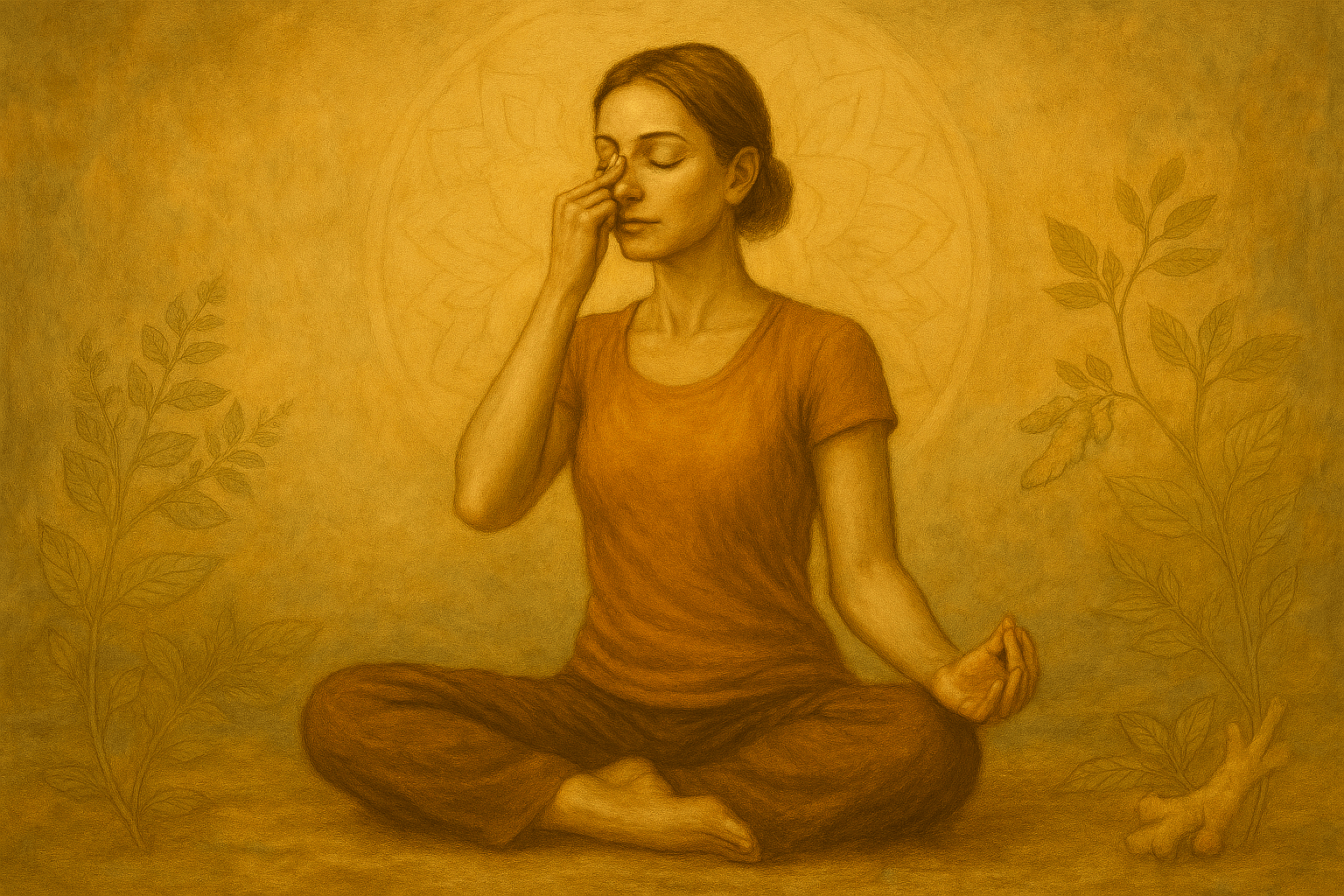
Set 2–3 “mindfulness anchors”: while waiting at a signal, during the first sip of coffee, or before meetings. Observe breath, body, and the feeling tone (pleasant/unpleasant/neutral). Over weeks, the mind shifts from reactivity to responsiveness.
4) Choose Right Livelihood
Audit your work for hidden harm, deception, exploitation, unregulated hazards. If change isn’t possible, set boundaries, advocate ethical practices, or plan transitions into roles aligned with compassion.
5) Embrace the Middle Way in Wellness
Alternating between indulgent binges and punishing detoxes mirrors the extremes the Buddha discouraged. Sustainable routines, sleep, nutrition, movement, and meditation embody the Middle Way’s balance.
Top Buddhist Sites to Visit in India (Smart Pilgrim’s Guide)
1) Bodh Gaya (Bihar): The Place of Enlightenment
At the Mahabodhi Temple, circumambulate the Bodhi Tree and sit in quiet contemplation near the Vajrasila. The complex is a UNESCO World Heritage Site and the beating heart of global Buddhist pilgrimage.
Don’t miss: The international monasteries nearby (Thai, Bhutanese, Tibetan). Visit early morning or after sunset for quieter practice.
2) Sarnath (Uttar Pradesh): First Turning of the Wheel
Near Varanasi lies Sarnath, where the Buddha delivered his first sermon, setting the Wheel of Dharma in motion. The Dhamek Stupa and Sarnath Archaeological Museum preserve echoes of that seminal teaching.
Don’t miss: Deer Park and evening chanting at local viharas.
3) Kushinagar (Uttar Pradesh): Mahāparinirvāṇa
At Kushinagar, the Buddha’s earthly journey concludes. The Mahāparinirvāṇa Temple and surrounding stupas invite reflection on impermanence and compassion.
Don’t miss: Ramabhar Stupa (cremation site) at dusk.
4) Rajgir & Nalanda (Bihar): Teachings and Learning
Rajgir’s Gridhakuta Hill is associated with discourses, and nearby Nalanda, once a celebrated Buddhist university evokes centuries of scholarship and practice.
Don’t miss: Nalanda Museum’s artifacts and panoramic views from Vulture Peak.
Tip: Many travelers follow a “Buddhist Circuit”, Lumbini (Nepal), Bodh Gaya, Sarnath, and Kushinagar, tracing the arc of birth, enlightenment, first teaching, and final nirvāṇa. Tour operators and independent guides now curate mindful itineraries along this route.
Conclusion: The Path Begins Where You Are
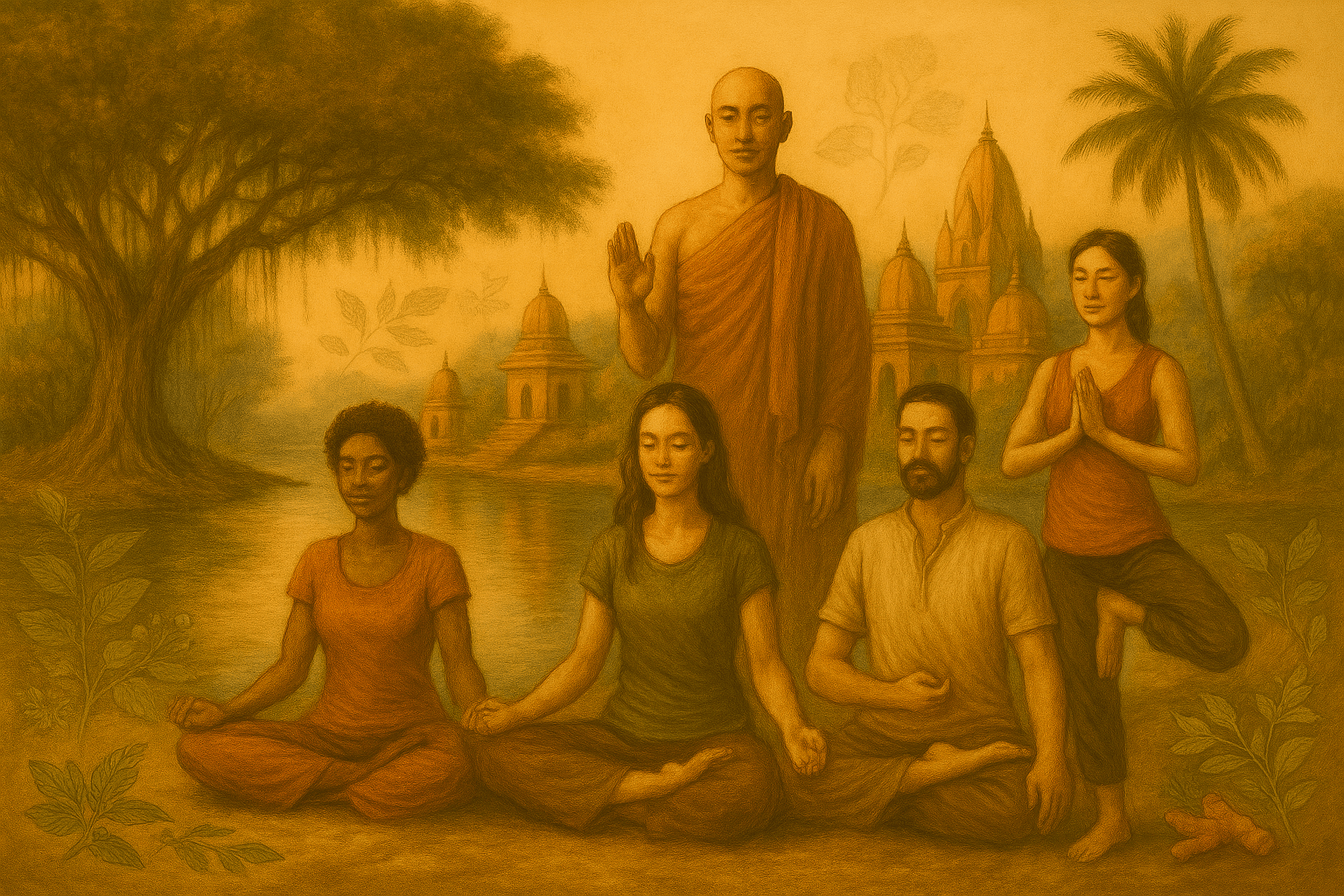
The Buddha’s journey is less about fleeing life and more about facing it clearly, kindly, and courageously. The Four Noble Truths name the problem and possibility; the Eightfold Path offers tools to walk toward freedom; and the Middle Way keeps our steps steady. Whether you sit beneath the Bodhi Tree or in a small corner of your living room, the work is the same: noticing craving, relaxing its grip, and cultivating wisdom and compassion moment by moment.
To know more and enable us to plan your travel itinerary, register with us at https://sahajdarshan.com/auth/signup